At Modern Health & Wellness in Hamden, CT, we believe access to quality healthcare matters. As a Husky health chiropractor we’re pleased to welcome patients with Connecticut state insurance, including HUSKY Health, for eligible chiropractic services. Our new online booking option allows patients to set an appointment from their phone or computer.
As a locally owned practice, we understand that healthcare costs can be a concern. Our goal is to help individuals and families access appropriate care, understand their options, and work toward better movement, improved function, and overall well-being.
Chiropractic Care for HUSKY Health Members
If you have HUSKY Health or another accepted Connecticut state insurance plan, you may be eligible for chiropractic care at our office.
Our doctors evaluate each patient individually and develop recommendations based on their symptoms, health history, examination findings, and functional goals.
Chiropractic care may be appropriate for multiple musculoskeletal conditions, including:
Covered services depend on your plan, eligibility, diagnosis, and applicable authorization requirements. HUSKY Health’s chiropractic benefit has specific coverage limitations, so we encourage patients to contact our office and to discuss their individual situation. You may also check out this summary:
Care for Adults and Children
We welcome adults seeking help with musculoskeletal conditions and can also examine children under 21.
Children’s benefits and authorization requirements differ from those for adults. An examination does not guarantee that subsequent treatment will be covered, so please contact our office to discuss the appropriate next steps.
More Than Chiropractic Adjustments
At Modern Health & Wellness, we believe good care involves more than addressing symptoms alone. Depending on your needs and goals, our practice also offers personal training, strength and conditioning, mobility training, and exercise rehabilitation.
These services can help people work toward improved strength, physical function, confidence with movement, and long-term wellness.
Insurance benefits vary by service. Chiropractic coverage through HUSKY Health is limited to eligible covered services and does not automatically include personal training, exercise programs, or other wellness services. If additional services may be appropriate, we can discuss available options and any applicable fees with you before you decide how to proceed.
A Local Practice That Welcomes Our Community
We are proud to serve Hamden, Cheshire, Wallingford, North Haven and the surrounding communities. Our team works with patients of different ages, backgrounds, activity levels, and physical abilities, with an emphasis on individualized care and helping people participate in the activities that matter to them.
If you or a family member has been looking for a chiropractor in Connecticut who accepts HUSKY Health or Connecticut state insurance, we encourage you to reach out or read reviews from our patients.
Have HUSKY Health or another accepted state insurance plan?
Contact Modern Health & Wellness to discuss your coverage and schedule an appointment.
Modern Health & Wellness 2862 Whitney Avenue, Hamden, CT 06518 Phone: 203-230-2225 Book an Appointment Online
Insurance coverage, eligibility, and authorization requirements vary. Please confirm your benefits and applicable requirements before receiving care.
You wouldn’t build a house by randomly putting up walls and hoping it turns into something useful. You start with a blueprint. Strength training is the blueprint for our future freedom.
The blueprint tells you what you’re building, what it needs to do, and how the individual pieces fit together to create the finished product.
Your health and fitness should work the same way. Personalized strength training is how we approach this for ourselves and our patients
What Are You Actually Training For?
For many people, exercise becomes a collection of disconnected goals:
Lose 10 pounds.
Build bigger arms.
Improve your blood pressure.
Get stronger.
Eat healthier.
Those are all worthwhile goals, but they’re not the finished product.
The bigger question is:
What do you want your body to allow you to do for the rest of your life?
For us, one of those answers is travel.
We’re heading to Ireland soon for a family trip, and being able to travel, explore, walk, carry our luggage, climb stairs, and experience a new place comfortably is exactly the kind of thing we want to continue doing as we get older.
That changes how we think about training.
Strength Training for “Real Life”
If your goal is to stay active as you age, your training should prepare you for the physical demands of the life you want to live.
For example, traveling requires much more than being able to lift a barbell in the gym.
You may need to:
Lift a suitcase into an overhead airplane compartment
Carry bags through an airport
Walk several miles while sightseeing
Climb stairs repeatedly
Walk up hills and uneven terrain
Stand for extended periods
Get up and down from the ground
Carry groceries or luggage after a long day of travel
Those are all physical skills.
And they can all be trained.
The Gym Is the Practice Field
This doesn’t mean you need to recreate an airport or the Cliffs of Moher in your gym.
It means you can use the gym to build the physical qualities that make those activities easier.
A shoulder press can help develop the strength required to put a bag into an airplane’s overhead compartment.
Walking and loaded carries can build the strength and endurance needed to move through an airport with luggage.
Squats, step-ups, and lunges can prepare you for stairs and uneven terrain.
Resistance training can help preserve the muscle and strength that make everyday activities easier as you age.
Cardiovascular training can build the endurance required for a long day of walking and exploring.
The individual exercises aren’t the destination.
They’re the building materials.
Nutrition Is Part of the Blueprint Too
The same concept applies to eating.
A diet shouldn’t just be designed around what you want the scale to say next month.
That may mean eating enough protein to support muscle, getting enough fiber and micronutrients, maintaining a healthy body composition, and developing eating habits you can actually sustain.
There’s no single perfect diet.
The best approach is one that supports your health while still allowing you to enjoy your life.
Because the goal isn’t to spend your entire life preparing to live.
The goal is to be healthy enough to live it.
Don’t Confuse the Blueprint With the Building
This is where people can get stuck.
They become so focused on individual numbers that they lose sight of what those numbers are supposed to accomplish.
Your body weight is a number.
Your calories are a tool.
Your protein intake is a tool.
Your workout program is a tool.
Your steps are a tool.
Your cardiovascular fitness is a tool.
None of these are the final objective.
The objective is what all of those things allow you to do.
Maybe that’s traveling internationally at 70.
Maybe it’s playing with your grandchildren.
Maybe it’s hiking.
Maybe it’s continuing to play recreational sports.
Maybe it’s simply getting out of a chair, carrying your own groceries, and living independently.
Your blueprint should reflect that.
Build the Body for the Life You Want
A good strength training program doesn’t just ask:
“What muscles should we work today?”
It asks:
“What do I want to be able to do 10, 20, or 30 years from now?”
Then you work backward.
Want to travel comfortably as you get older?
Build strength.
Want to hike?
Train your legs and cardiovascular system.
Want to carry your own luggage?
Train your upper body and grip.
Want to stay independent?
Preserve muscle, strength, balance, mobility, and cardiovascular fitness.
Want to enjoy those things without constantly worrying about your body?
Our upcoming family trip to Ireland is actually a great example of why we train.
We aren’t strength training so that we can spend our lives in the gym.
We’re training so that the gym helps us live the life we want outside of it.
We’ll be carrying luggage through airports, walking long distances, climbing stairs, navigating uneven terrain, and exploring somewhere we’ve never been.
And that’s exactly what we want our bodies to be capable of doing as we get older.
The workout is not the goal. The life that the workout helps you live is the goal.
That’s the blueprint.
And when you know what you’re building, your training, nutrition, recovery, and health decisions start to make a lot more sense.
For a new patient or personal strength training consultation, click the LINK here:
When acute low back pain strikes, one of the first questions patients often ask is:
“What can you actually do to help me?”
When your back is painful enough that getting out of a chair, turning in bed, or standing upright is difficult, it can be tempting to either stop moving completely or try to stretch, exercise, or treat the area aggressively.
But doing too much too soon is not always the best approach.
Early care should be matched to what your body can comfortably tolerate, with treatment and activity gradually progressed as symptoms improve.
Flexion-distraction is one of several conservative treatment options that may be used when appropriate for a patient’s low back pain.
First, We Need to Understand What Is Going On
Low back pain can come from a variety of structures and mechanisms. Sometimes there is a clear event, such as lifting something heavy, twisting, or making an awkward movement. In other cases, symptoms develop without one obvious injury.
An examination helps determine what may be contributing to your symptoms, what movements are currently limited, and what types of treatment are appropriate. More importantly it helps us determine if our care is helpful or if we need to refer a patient out to another office (orthopedist, neurologist, physical therapy etc.) Our office has an established referral system with Connecticut Orthopedics who we feel comfortable with our patients care.
The goal isn’t simply to put a label on your back pain. It is to develop a reasonable clinical explanation for your symptoms and determine how we can safely help you move forward.
Treatment Should Match Your Current Tolerance
When your back is highly irritated, more treatment is not necessarily better treatment.
For some people, stretching or exercising through an acute flare-up may be appropriate. For others, certain movements may temporarily aggravate their symptoms.
Depending on the examination, treatment may include spinal manipulation or mobilization, soft-tissue techniques, gentle mobility work, therapeutic exercise, or other conservative approaches.
The goal is to find an appropriate starting point and then progressively increase what your body can tolerate.
What Is Flexion-Distraction?
One technique we may use for certain patients is called flexion-distraction.
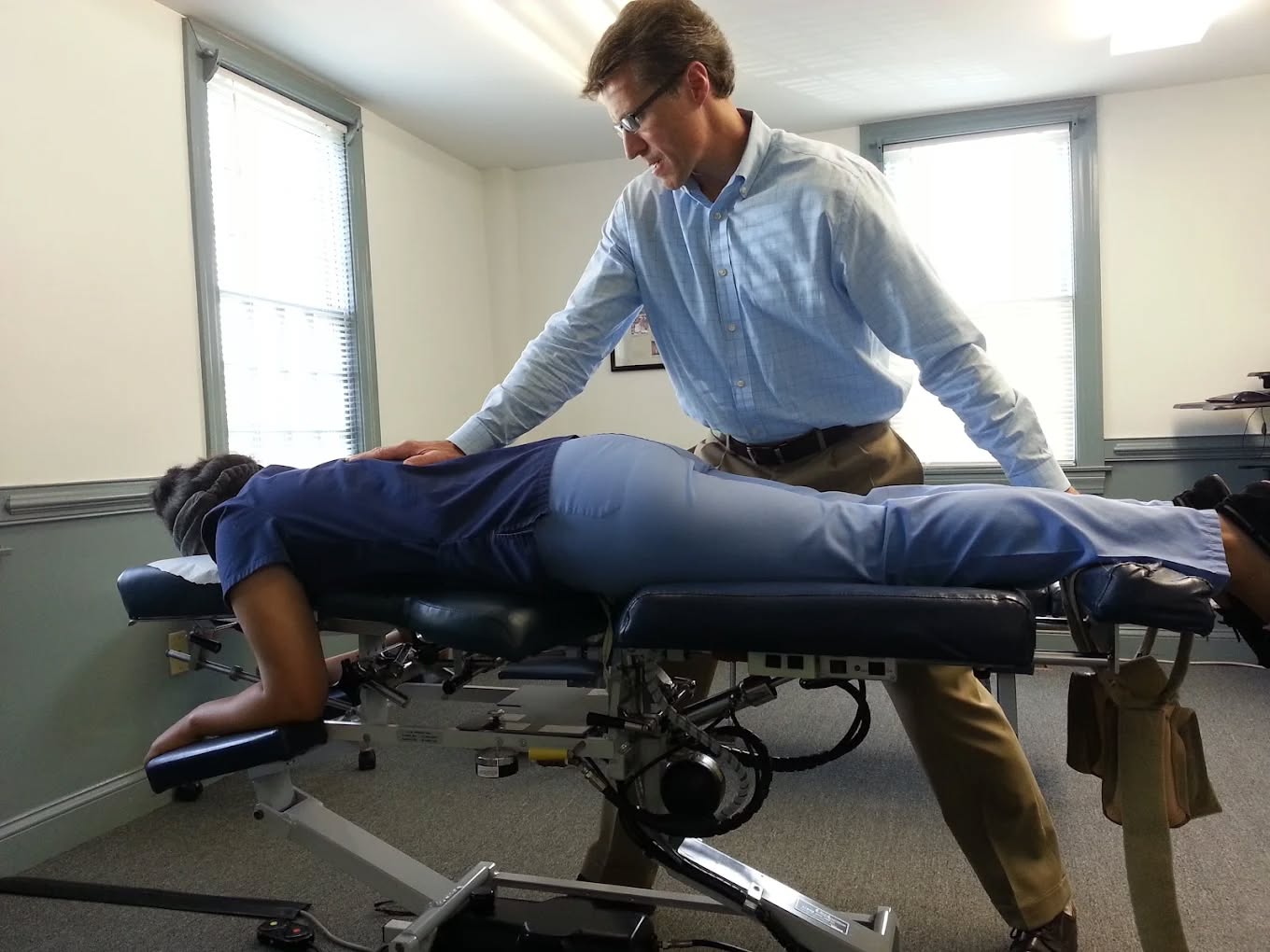
Flexion-distraction is a form of spinal mobilization performed on a specialized treatment table. The table allows controlled movement of the lower back while the provider guides the motion. It starts with decompressing the joints and disc structures in the spine and then adds a gentle stretch through the tissue.
Rather than relying on a quick thrust, flexion-distraction uses slower, repeated movements through a comfortable range of motion.
For some patients, this provides a way to introduce movement to the lower back while using a different type of mechanical input than traditional spinal manipulation.
It is not something every patient needs. Like any treatment, it should be selected based on the individual’s symptoms, examination findings, tolerance, and goals.
What Does the Research Say About Flexion-Distraction?
Flexion-distraction has been studied as part of conservative treatment for several low back conditions.
A 2015 study published in the Journal of Physical Therapy Science examined 30 patients with lumbar spinal stenosis. One group received conservative physical therapy, while the other received the same conservative treatment along with flexion-distraction manipulation. After six weeks, both groups improved, with greater reductions in pain and disability reported in the flexion-distraction group.
There are important limitations to keep in mind. This was a small study, and the patients had lumbar spinal stenosis specifically. The findings should not be interpreted as proof that flexion-distraction is the right treatment for every person with acute low back pain.
That distinction matters when looking at research.
A treatment does not have to be appropriate for everyone to be a useful tool for the right patient.
What Does the Research Say About Spinal Manipulation?
Spinal manipulation has been studied extensively as a treatment for acute low back pain.
A systematic review and meta-analysis published in JAMA evaluated 26 randomized clinical trials involving patients with acute low back pain. The researchers found that spinal manipulation was associated with improvements in pain and function for up to six weeks compared with other treatments.
These findings support spinal manipulation as one effective conservative treatment option for patients with acute low back pain. However, research on a treatment category does not eliminate the importance of the clinical decision-making that happens with an individual patient.
The technique, the amount of force, the area being treated, and the timing of treatment should all be considered based on the patient’s presentation and tolerance.
That’s why having multiple treatment options matters. A patient may respond well to a traditional manipulation, while another may be better suited to mobilization, flexion-distraction, exercise, or a combination of approaches.
The goal is not to use the same technique on every patient. The goal is to determine which approach is most appropriate for the patient in front of us.
What Else Can Help Acute Low Back Pain?
Hands-on treatment is only one part of conservative care.
Depending on your examination, symptoms, and current tolerance, treatment may include:
Spinal manipulation or mobilization
Flexion-distraction
Soft-tissue techniques
Gentle mobility exercises
Activity recommendations
Education about your condition
Progressive strengthening as symptoms improve
The amount and intensity of each should change as you recover.
Someone in the first few days of an acute injury may need a very different approach than someone who has been dealing with the same problem for several months.
Don’t Do Too Much Too Soon
One of the biggest mistakes during an acute flare-up can be assuming that more is always better.
More stretching, more exercise, more activity, or more treatment does not automatically mean faster recovery.
Instead, the goal is to find the appropriate level of activity and treatment that your body can tolerate and then gradually increase your capacity as you improve.
That might mean starting with a gentle treatment and short walks, then progressing to mobility exercises, strengthening, and eventually your normal workouts as your symptoms allow.
The Goal Is to Get You Moving Again, Even after Acute Low Back Pain
The goal of treating acute low back pain isn’t simply to make the pain disappear for a few hours.
It is to help you return to the activities that matter to you.
That might mean getting through a workday without constantly thinking about your back, sleeping comfortably, picking up your child, returning to the gym, or simply being able to move normally again.
As symptoms improve, treatment can transition from helping you through the acute episode toward restoring strength, mobility, and tolerance for the activities that matter most to you.
There Isn’t One Treatment for Everyone
There is no single treatment that every person with acute low back pain needs.
An examination allows us to determine what may be contributing to your symptoms and select the appropriate tools for your particular presentation.
At Modern Health & Wellness, our approach combines chiropractic care, manual therapy, therapeutic exercise, and rehabilitation when appropriate. The goal is to match the treatment to the patient rather than force every patient into the same treatment.
If acute low back pain is making it difficult to move normally, an evaluation can help determine what may be contributing to your symptoms and what treatment options may be appropriate to help you get moving again.
Yes. Typically, a pinched nerve heals on its own with time and conservative treatment, although recovery depends on the underlying cause and severity of the nerve compression.
A pinched nerve can cause pain, numbness, tingling, or weakness depending on which nerve is affected.
One of the most common questions patients ask is: “Can a pinched nerve heal on its own?”
The short answer is yes—many pinched nerves improve without surgery. However, recovery depends on what is causing the nerve to become compressed and how severe the irritation is.
What Is a Pinched Nerve?
A “pinched nerve” occurs when surrounding tissues—such as muscles, ligaments, discs, or bone—place pressure on a nerve. This compression can lead to symptoms including:
Pain
Numbness
Tingling (“pins and needles”)
Burning sensations
Muscle weakness
Pinched nerves can occur in the neck, back, shoulder, wrist, elbow, leg or other areas of the body.
Will It Heal Without Surgery?
Fortunately, many mild cases improve over time with conservative treatment. As inflammation decreases and pressure on the nerve is reduced, symptoms often improve over several days to weeks. More persistent cases may require additional treatment, but surgery is typically reserved for patients with severe or ongoing nerve compression that does not respond to conservative care. Read more about when advanced imaging is needed here:
Conservative Treatment Options
Depending on the cause of your symptoms, treatment may include:
Relative rest and activity modification
Ice or heat for temporary symptom relief
Over-the-counter anti-inflammatory medications when appropriate
Physical therapy to improve mobility, strength, and reduce stress on the affected nerve
Chiropractic care, when appropriate, may help address joint mobility restrictions, movement dysfunction, and other musculoskeletal factors that can contribute to nerve irritation. Treatment may include spinal or extremity adjustments, flexion-distraction therapy, traction, nerve mobilization (nerve flossing), soft tissue techniques, and individualized therapeutic exercises. Patient education on posture, ergonomics, and activity modification is also an important part of helping individuals return safely to their normal daily activities.
Every patient is different, so treatment should be based on a thorough history and physical examination rather than symptoms alone.
When Should You See a Healthcare Provider?
While many pinched nerves improve on their own, you should seek medical evaluation if you experience:
Significant or worsening muscle weakness
Persistent numbness
Severe pain that is not improving
Symptoms lasting more than a week or two despite conservative care
Loss of bowel or bladder control or numbness in the groin area (seek immediate medical attention)
These symptoms may indicate a more serious condition that requires prompt evaluation. Read more here:
Signs Your Pinched Nerve Is Improving
Recovery often happens gradually. Positive signs include:
Less pain
Reduced numbness or tingling
Improved strength
Better range of motion
Fewer activities that trigger symptoms
Even small improvements over time can be a sign that the irritated nerve is healing.
Final Thoughts
Many pinched nerves improve with time and conservative care, but an accurate diagnosis is important. Not every case of numbness or radiating pain is caused by a pinched nerve, and identifying the underlying cause helps guide the most appropriate treatment plan.
If you’re experiencing persistent pain, numbness, tingling, or weakness, a comprehensive evaluation can help determine the cause of your symptoms and whether additional testing or treatment is appropriate.
Most people with do not need an MRI for sciatica immediately.
A thorough history and physical examination often guide the initial treatment plan.
MRI is more likely to be recommended if symptoms are severe, progressive, or fail to improve with conservative care.
Seek immediate medical attention if you experience bowel or bladder changes, saddle numbness, or rapidly worsening weakness.
One of the most common questions we hear from patients with leg or back pain is:
“Should I get an MRI for sciatica?”
The answer depends on your symptoms, your medical history, and how long the problem has been present.
What Is Sciatica?
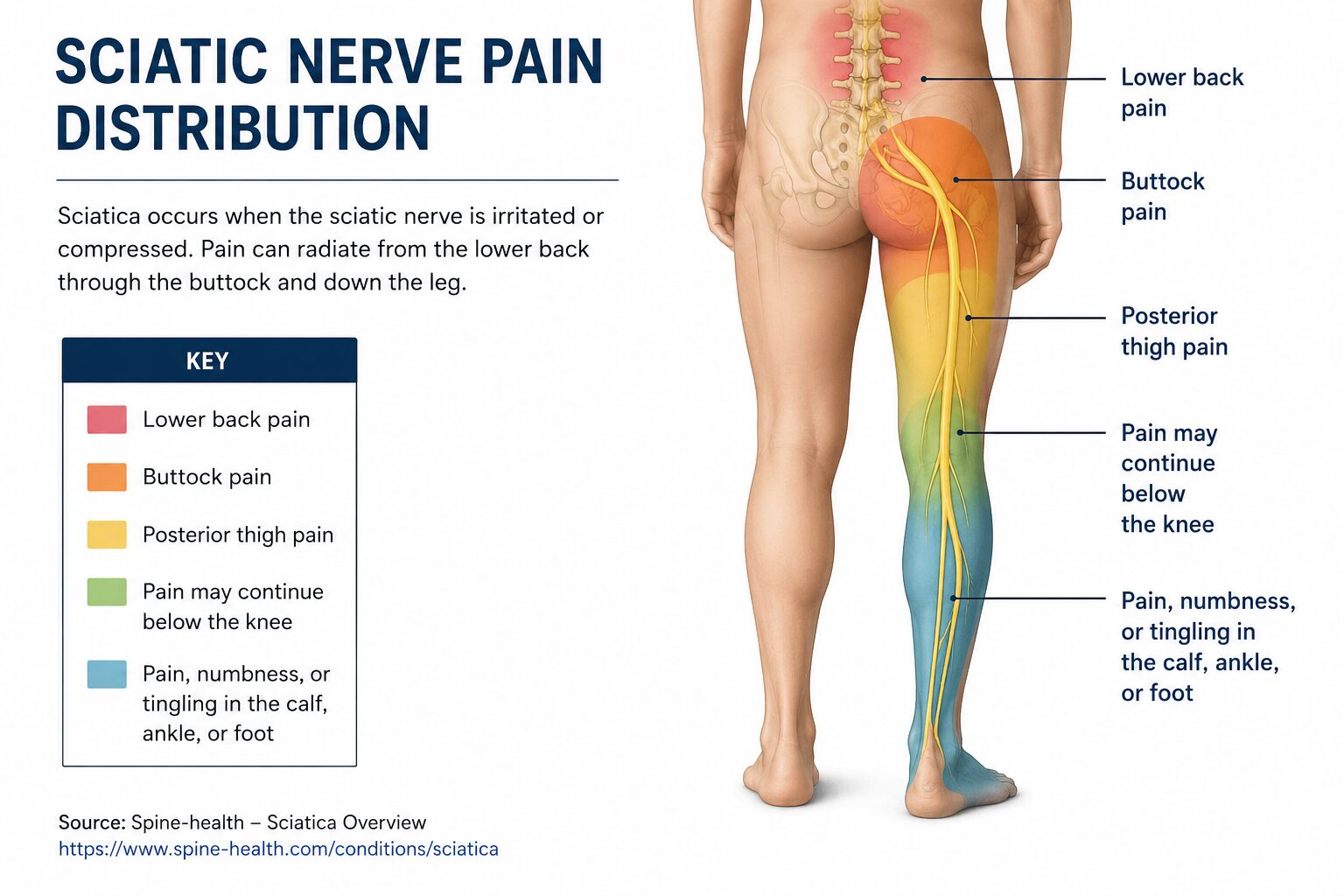
Sciatica is a term used to describe pain, numbness, tingling, or weakness that travels down the leg due to irritation of the sciatic nerve or one of the nerve roots that contribute to it. “Sciatica” is a commonly used word in healthcare, but not all back pain is true “sciatica”. You can read more about the distinction here:
Common causes of Sciatica include:
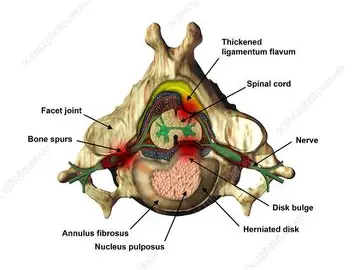
Disc herniations
Disc bulges
Spinal stenosis
Degenerative changes
Inflammation around a nerve root
Symptoms may include:
Pain radiating into the buttock or leg
Tingling or numbness
Burning sensations
Weakness in the leg or foot
When Is an MRI for Sciatica Necessary?
Many people are surprised to learn that an MRI is not always required during the initial stages of treatment.
Current guidelines generally recommend conservative care first unless certain warning signs or “red flags” are present.
In many cases, symptoms improve with time, activity modification, exercise, and conservative treatment.
Situations That May Warrant Earlier Imaging
Imaging may be considered sooner if symptoms include:
Significant muscle weakness
Progressive neurological changes
Loss of bowel or bladder control
Severe trauma
Signs of infection
History of cancer
Symptoms that continue to worsen despite treatment
These situations require prompt medical evaluation.
Why Not Order an MRI for Everyone?
MRIs are excellent diagnostic tools, but they also frequently reveal findings that may not be causing symptoms.
Disc bulges and degenerative changes are common, even in people without pain.
What Should You Do If You Think You Have Sciatica?
The first step is obtaining an appropriate evaluation.
A thorough history and physical examination can often determine whether symptoms are consistent with sciatica and whether additional testing may be needed.
If symptoms are improving and no concerning signs are present, conservative care is often the recommended starting point.
If symptoms persist, worsen, or neurological deficits develop, additional imaging and medical evaluation may become appropriate.
Final Thoughts
An MRI can be an important tool when indicated, but it is not always the first step for every patient with sciatica.
The most important factor is matching the right test to the right patient at the right time.
If you are experiencing leg pain, numbness, tingling, or symptoms consistent with sciatica, a comprehensive evaluation can help determine the most appropriate next steps.
Frequently Asked Questions
Can an X-ray diagnose sciatica?
No. X-rays are useful for evaluating bones, alignment, fractures, and certain degenerative changes, but they do not show nerves or spinal discs. Sciatica is often caused by irritation or compression of a nerve, which typically cannot be seen on a standard X-ray. However, an x-ray is typically done first to rule out other pathologic causes, and to justify an MRI in the future, as needed.
How long should I wait before getting an MRI for sciatica?
Every case is different, but many people with new-onset sciatica improve within several weeks with conservative treatment. If symptoms are severe, worsening, associated with significant weakness, or fail to improve as expected, your healthcare provider may recommend an MRI more quickly to better understand the underlying cause.
What are the warning signs that require immediate medical attention?
Seek immediate medical evaluation if you experience:
Loss of bowel or bladder control
Numbness in the groin or saddle region
Rapidly worsening leg weakness
Severe pain following significant trauma
Fever, unexplained weight loss, or other signs of infection along with back pain
These symptoms may indicate a more serious condition requiring urgent evaluation.
Can sciatica go away without surgery?
Yes. Most cases of sciatica improve without surgery. Conservative treatments such as maintaining appropriate activity, exercise, physical therapy, chiropractic care when appropriate, and time often lead to significant improvement. Surgery is generally reserved for specific situations, such as persistent symptoms, progressive neurological deficits, or conditions that do not respond to conservative management.
What causes sciatica?
Sciatica is a symptom rather than a diagnosis. It occurs when the sciatic nerve or one of the nerve roots in the lower back becomes irritated or compressed. Common causes include disc herniations, spinal stenosis, degenerative changes, and, less commonly, other medical conditions affecting the spine or surrounding tissues.
Should I rest or stay active if I have sciatica?
For most people, prolonged bed rest is not recommended. Gentle movement and gradually returning to normal activities, as tolerated, are generally associated with better outcomes than complete inactivity. Your healthcare provider can recommend an activity plan based on your specific condition.
When should I see a healthcare provider for sciatica?
If your symptoms last more than a few days, interfere with daily activities, continue to worsen, or are accompanied by weakness or numbness, it is important to have a comprehensive evaluation. An accurate diagnosis can help determine the most appropriate treatment plan and whether additional testing is needed.
Low back pain is one of the most common health complaints worldwide and a leading cause of disability. Nearly everyone will experience back pain at some point in their lives, making it one of the most frequently treated musculoskeletal conditions in healthcare.
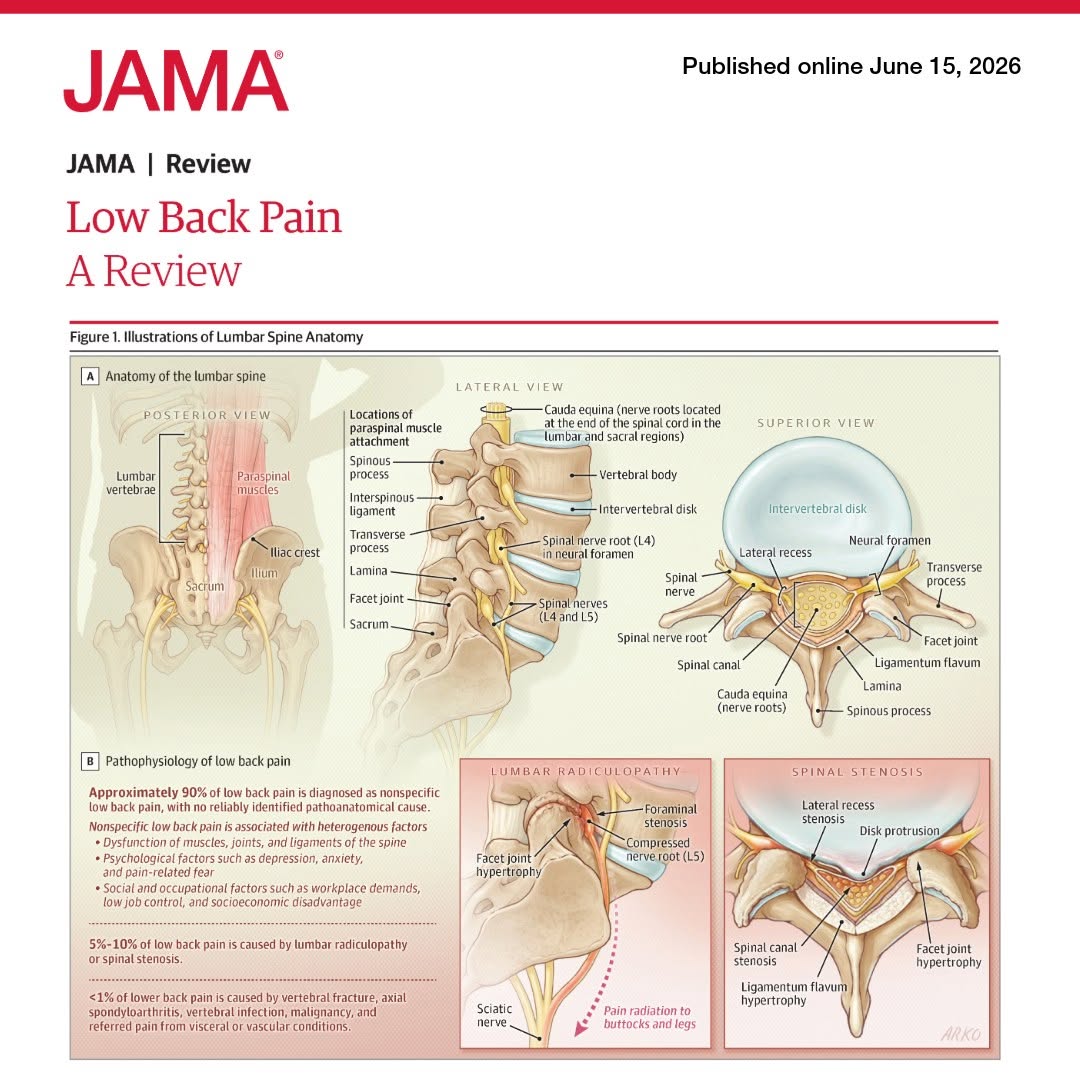
A recent review published in the Journal of the American Medical Association (JAMA) examined the causes, evaluation, and treatment of nonspecific low back pain and reinforced the importance of conservative, evidence-based care.
Low Back Pain Has No Single Identifiable Cause?
According to the review, approximately 90% of low back pain cases seen in clinical practice are classified as “nonspecific low back pain.” This means there is no single identifiable structure responsible for all the symptoms. However, one can get a good sense of what we call a “pain generating tissue” with a thorough examination. Read more here:
While this can sometimes be frustrating for patients seeking answers, it also means that many episodes of low back pain respond well to conservative treatment approaches focused on improving function, movement, and overall quality of life.
First-Line Treatment Often Does Not Involve Medication
One of the most notable findings from the review is that initial treatment recommendations emphasize education, remaining active, and conservative therapies.
For acute low back pain, first-line treatment options may include:
Heat or cold therapy
Spinal manipulation
Massage therapy
Acupuncture
Activity modification and exercise
These approaches are often recommended before more aggressive interventions and can help patients return to normal activities more quickly.
The Importance of Staying Active for Low Back Pain
Years ago, patients with back pain were often advised to rest in bed. Today, research suggests that prolonged inactivity may actually slow recovery.
Current recommendations encourage patients to remain as active as possible while avoiding activities that significantly worsen symptoms.
Movement helps maintain flexibility, strength, and confidence while reducing the fear that often accompanies painful episodes.
Where Does Spinal Manipulation Fit In?
The JAMA review specifically identifies spinal manipulation as one of several recommended nonpharmacological treatment options for acute low back pain. And remember, there are a LOT of spinal manipulation techniques available for all patients.
Spinal manipulation is commonly used by chiropractors and other healthcare professionals to help improve joint mobility, reduce pain, and restore normal movement patterns.
While no single treatment works for every patient, spinal manipulation can be an effective part of a comprehensive treatment plan that may also include stretching, exercise, soft tissue therapy, and education.
A Team Approach to Recovery
At Modern Health & Wellness, we believe successful recovery involves more than simply reducing symptoms.
Our goal is to help patients:
Reduce pain
Improve mobility
Return to daily activities
Build strength and resilience
Prevent future episodes whenever possible
Treatment plans may include chiropractic care, therapeutic exercise, mobility work, soft tissue techniques, and personalized recommendations based on each patient’s goals.
The Bottom Line
Low back pain remains one of the most common reasons people seek healthcare. The good news is that many cases respond well to conservative treatment approaches.
The recent JAMA review reinforces what many patients have experienced firsthand: staying active, understanding your condition, and utilizing evidence-based conservative therapies can play an important role in recovery.
If you’re experiencing low back pain and would like to learn more about your treatment options, contact Modern Health & Wellness to schedule an evaluation.
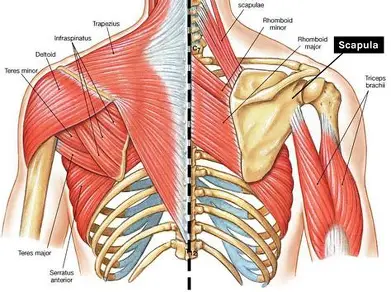
Shoulder pain is one of the most common musculoskeletal complaints, affecting athletes, active adults, and even people who spend long hours working at a desk. One of the most frequent causes of shoulder pain is a rotator cuff strain or impingement. If you have further questions or wish to have an injury assessed, let us know.
What Is the Rotator Cuff?
The rotator cuff is a group of four small muscles and their tendons that help stabilize the shoulder joint. These muscles keep the upper arm centered within the shoulder socket while larger muscles move the arm through daily activities.
Because the shoulder has a large range of motion and relatively little bony stability, the rotator cuff plays a critical role in maintaining healthy shoulder function.
What Is Shoulder Impingement?
Shoulder impingement occurs when the space available for the rotator cuff tendons becomes narrowed. As you raise your arm overhead, the tendon can become compressed or “pinched” between surrounding structures.
Over time, repeated irritation can lead to inflammation, weakness, and eventually small tears within the rotator cuff.
While some rotator cuff injuries occur suddenly from falls, lifting injuries, or sports accidents, most develop gradually from repetitive stress and chronic irritation.
Common Symptoms of a Rotator Cuff Injury
Symptoms often begin gradually and may worsen over time. Common signs include:
Pain on the front or outside of the shoulder
Pain that travels down the upper arm
Difficulty reaching overhead
Weakness when lifting or carrying objects
Pain when sleeping on the affected side
Reduced shoulder mobility
Patients who suffer a more significant injury may describe a sudden tearing, popping, or snapping sensation followed by immediate pain and weakness.
Why Shoulder Pain Often Persists
Many people try to push through shoulder pain or rely solely on rest. While temporary rest may help reduce irritation, it often does not address the underlying factors contributing to the problem.
Poor shoulder mechanics, muscle imbalances, restricted mobility, repetitive activities, and weakness of the stabilizing muscles can all contribute to ongoing symptoms.
Without addressing these issues, shoulder pain may continue to return even after symptoms temporarily improve.
How Conservative Treatment Can Help
The goal of treatment is to reduce pain, restore normal movement, and improve shoulder function.
Depending on your condition, treatment may include:
Soft tissue therapy and myofascial release
Stretching to improve flexibility and mobility
Therapeutic exercises to strengthen the rotator cuff and supporting muscles
Activity modification recommendations
Chiropractic and conservative musculoskeletal care when appropriate
A personalized treatment plan can help improve shoulder function while reducing the likelihood of future flare-ups.
When Should You Seek Care?
If shoulder pain has been limiting your activities, disturbing your sleep, or preventing you from exercising comfortably, it may be time for an evaluation.
Early treatment can often help prevent minor irritation from progressing into a more significant injury.
At Modern Health & Wellness, we evaluate and treat rotator cuff injuries, shoulder impingement, neck-related shoulder pain, and many other musculoskeletal conditions. If you’re experiencing shoulder pain, contact our office to schedule an appointment and learn more about your treatment options.
Injuries are rarely solved with a single adjustment, one exercise or PT session, or a single day on a medication.
At Modern Health and Wellness, our approach to chiropractic care focuses on structured injury rehabilitation — not just temporary symptom relief. Whether you were hurt in a car accident, during sports, at work, or from repetitive stress, recovery requires a clear plan.
Our goal is simple: reduce pain, restore movement, and rebuild strength so the problem doesn’t return.
What Makes Injury Rehabilitation Different?
Traditional care can reduce discomfort quickly. But lasting recovery requires more than symptom management.
Our rehabilitation-focused approach includes:
Comprehensive movement assessment
Targeted and safe chiropractic adjustments
Soft tissue therapy when appropriate
Corrective exercise prescription
Ongoing progress re-evaluation
This structured model helps patients move from pain relief to full functional recovery.
Common Injuries We Treat
We regularly help patients in Hamden recover from:
Auto accident injuries and whiplash
Sports-related injuries
Work-related strain injuries
Chronic neck and back pain
Shoulder and hip dysfunction
If you were injured in a motor vehicle accident, visit our Auto Accident Injury page for more specific information about documentation, insurance coordination, and recovery planning.
Our Step-by-Step Process
1. Evaluation Our Doctors of Chiropractic assess joint function, muscle balance, posture, and movement patterns to understand the true source of the problem. We consult your prior medical records, prior imaging (if available) and may request imagining based on clinical guidelines. We use Whitney Imaging – Midstate Radiology Associates – for our imaging.
2. Pain Reduction Phase Chiropractic adjustments and supportive therapies reduce inflammation and restore mobility. We also educate the patient on strategies to reduce reaggravation and to improve movement tolerance.
3. Corrective Phase Targeted exercises and stability work help rebuild proper movement patterns.
4. Performance & Prevention We focus on long-term resilience to reduce recurrence.
Who Is This For?
Injury rehabilitation is ideal for:
Patients who feel “stuck” after basic treatment
Individuals recovering from car accidents
Athletes returning to sport
Adults with recurring flare-ups
Anyone wanting more than temporary relief
If you’re searching for a Hamden chiropractor who focuses on long-term recovery instead of short-term fixes, this model may be the right fit.
Book an Evaluation
If you’re dealing with pain or recovering from an injury, schedule an evaluation and we’ll map out a structured plan designed around your goals.
Headaches are extremely common, but not all headaches are the same. Symptoms may come from muscle tension, joint dysfunction, nerve involvement, or neurologic sensitivity. Identifying the headache type and primary pain generator is essential for effective, long-term relief.
Care focuses on addressing the source of irritation rather than masking symptoms, though medical management plays an important role. To book a headache consultation appointment today and improve your headaches, click here:
Common Types of Headaches
Tension-Type Headaches
Tension-type headaches are the most common headache seen in clinical practice. They often feel like a dull, pressing, or tightening band around the head and may last from minutes to days.
Common contributors include:
Muscle tension in the neck and shoulders
Stress and poor sleep
Prolonged sitting or poor posture
These headaches are not typically associated with nausea or worsening with physical activity. Manual therapy, spinal manipulation, soft tissue techniques, and posture-focused exercises are effective in reducing pain and limiting recurrence.
Migraines
Migraines are a complex neurologic condition characterized by recurrent moderate to severe headaches. Some migraines occur with aura, which may include visual disturbances, numbness, nausea, or sensitivity to light and sound.
Migraines are thought to involve a hyperexcitable nervous system and may be influenced by:
Neurologic and vascular factors
Hormonal changes
Lifestyle triggers such as hydration, diet, stress, and sleep
Care often focuses on trigger management, lifestyle modification, exercise, and manual therapies shown to reduce frequency and intensity when used appropriately.
Cervicogenic Headaches
Cervicogenic headaches originate from the cervical spine and account for an estimated 15–25% of all headaches. Pain is referred from irritated joints, muscles, or nerves in the neck and perceived in the head.
These headaches are commonly associated with:
Neck stiffness or reduced range of motion
Poor posture or prolonged screen use
Upper cervical joint dysfunction
Because the source is mechanical, treatment focuses on restoring normal joint motion, reducing muscle tension, and improving movement patterns. Learn more here:
Why Headaches Often Overlap
Many patients experience more than one headache type at the same time. Tension-type and cervicogenic headaches frequently coexist, and neck dysfunction may worsen migraine symptoms. This overlap makes individualized evaluation essential. There are few other types of headaches, but these are the most common.
How Chiropractic Care Helps Headaches
Chiropractic care uses a multimodal approach tailored to headache type and tolerance level.
Tools may include:
Safe, efficacious spinal manipulation or mobilization when appropriate
Non-adjusting techniques to reduce joint and nerve irritation
Soft tissue therapy and trigger point work
Exercise, posture, and lifestyle guidance
These approaches are well tolerated, extremely safe, and supported by clinical research for many headache presentations.
Take the Next Step
If headaches are affecting your work, sleep, or quality of life, identifying the source matters. Whether symptoms stem from muscle tension, joint dysfunction, or neurologic sensitivity, targeted care can help reduce frequency, intensity, and recurrence.
Our office treats headaches every day. If you or someone you know is experiencing these symptoms, please contact our office to schedule an appointment.
Neck pain is common, but “neck pain” is not one single condition. Symptoms can come from different pain generators, and understanding the source is key to effective, long-lasting relief. Neck pain may develop suddenly after an injury or gradually from posture, repetitive stress, or daily habits.
Care focuses on identifying the primary pain generator and choosing the safest, most effective tools for each situation. Not sure where to start? A consultation with one of our providers will point you in the right direction. Schedule a consultation online today, here:
3 Common Neck Pain Generators
1. Sprain or Strain
Neck strains and sprains involve injury to muscles, tendons, or ligaments. These often occur from sudden movements, poor posture, prolonged screen use, or motor vehicle accidents.
Symptoms may include:
Local neck stiffness or soreness
Pain with movement
Muscle tightness or spasms
While often considered “simple,” unresolved sprain-strain injuries can contribute to ongoing dysfunction and inflammation with movement if not managed properly.
2. Disc or Nerve Injury
A cervical disc lesion occurs when the outer fibers of a disc weaken or tear, allowing internal material to shift. This can create inflammation or, in more advanced cases, mechanical pressure on nearby nerve roots.
Disc injuries usually develop over time from repetitive stress rather than a single event. Early changes may cause no symptoms at all, while more significant involvement can lead to:
Neck pain
Arm pain or tingling
Numbness or weakness
Both chemical irritation and mechanical compression can contribute to symptoms, which is why individualized care is important.
3. Joint Dysfunction
Mechanical neck pain often originates from irritation or restricted motion in the cervical facet joints. These joints guide movement in the neck and are sensitive to posture, muscle imbalance, and prolonged sitting.
Joint dysfunction may cause:
Localized neck pain
Reduced range of motion
Pain with turning or looking up
If left unaddressed, joint dysfunction can contribute to recurring pain and early degenerative changes.
Why Neck Pain Can Persist or Return
Neck pain often involves more than one structure at a time. Muscle strain, ligament sprain, joint irritation, and disc involvement frequently overlap. Factors such as prolonged smartphone use, poor posture, stress, and sedentary habits may increase the risk of chronic symptoms.
That’s why care should address movement, joint mechanics, muscle balance, and nerve irritation together—not just pain alone.
How Chiropractic Care Helps Neck Pain
Chiropractic care for neck pain uses a multimodal approach designed to restore movement and reduce irritation safely.
Tools may include:
Gentle spinal adjustments when appropriate
Non-adjusting techniques such as traction to reduce nerve and joint irritation
Soft tissue therapies to improve mobility
Exercise and posture guidance to prevent recurrence
These approaches are well tolerated, extremely safe, and adapted to each individual’s needs and comfort level.
Imaging is used when clinically relevant, based on history, symptoms, and response to care.
Take the Next Step
Neck pain doesn’t have to be something you “just live with.” Whether your symptoms stem from strain, joint dysfunction, or disc involvement, identifying the pain generator is the first step toward recovery.
If you’re experiencing neck pain, stiffness, or arm symptoms, schedule an evaluation to determine the cause and begin safe, targeted care focused on long-term relief and function.