
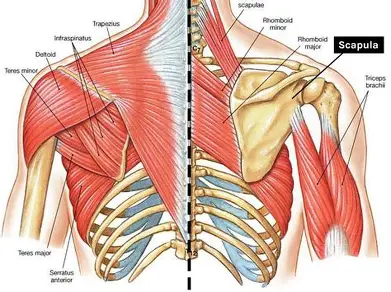
Shoulder pain is one of the most common musculoskeletal complaints, affecting athletes, active adults, and even people who spend long hours working at a desk. One of the most frequent causes of shoulder pain is a rotator cuff strain or impingement. If you have further questions or wish to have an injury assessed, let us know.
What Is the Rotator Cuff?
The rotator cuff is a group of four small muscles and their tendons that help stabilize the shoulder joint. These muscles keep the upper arm centered within the shoulder socket while larger muscles move the arm through daily activities.
Because the shoulder has a large range of motion and relatively little bony stability, the rotator cuff plays a critical role in maintaining healthy shoulder function.
What Is Shoulder Impingement?
Shoulder impingement occurs when the space available for the rotator cuff tendons becomes narrowed. As you raise your arm overhead, the tendon can become compressed or “pinched” between surrounding structures.
Over time, repeated irritation can lead to inflammation, weakness, and eventually small tears within the rotator cuff.
While some rotator cuff injuries occur suddenly from falls, lifting injuries, or sports accidents, most develop gradually from repetitive stress and chronic irritation.
Common Symptoms of a Rotator Cuff Injury
Symptoms often begin gradually and may worsen over time. Common signs include:
- Pain on the front or outside of the shoulder
- Pain that travels down the upper arm
- Difficulty reaching overhead
- Weakness when lifting or carrying objects
- Pain when sleeping on the affected side
- Reduced shoulder mobility
Patients who suffer a more significant injury may describe a sudden tearing, popping, or snapping sensation followed by immediate pain and weakness.
Why Shoulder Pain Often Persists
Many people try to push through shoulder pain or rely solely on rest. While temporary rest may help reduce irritation, it often does not address the underlying factors contributing to the problem.
Poor shoulder mechanics, muscle imbalances, restricted mobility, repetitive activities, and weakness of the stabilizing muscles can all contribute to ongoing symptoms.
Without addressing these issues, shoulder pain may continue to return even after symptoms temporarily improve.
How Conservative Treatment Can Help
The goal of treatment is to reduce pain, restore normal movement, and improve shoulder function.
Depending on your condition, treatment may include:
- Soft tissue therapy and myofascial release
- Stretching to improve flexibility and mobility
- Therapeutic exercises to strengthen the rotator cuff and supporting muscles
- Activity modification recommendations
- Chiropractic and conservative musculoskeletal care when appropriate
A personalized treatment plan can help improve shoulder function while reducing the likelihood of future flare-ups.
When Should You Seek Care?
If shoulder pain has been limiting your activities, disturbing your sleep, or preventing you from exercising comfortably, it may be time for an evaluation.
Early treatment can often help prevent minor irritation from progressing into a more significant injury.
At Modern Health & Wellness, we evaluate and treat rotator cuff injuries, shoulder impingement, neck-related shoulder pain, and many other musculoskeletal conditions. If you’re experiencing shoulder pain, contact our office to schedule an appointment and learn more about your treatment options.