
Yes. Typically, a pinched nerve heals on its own with time and conservative treatment, although recovery depends on the underlying cause and severity of the nerve compression.
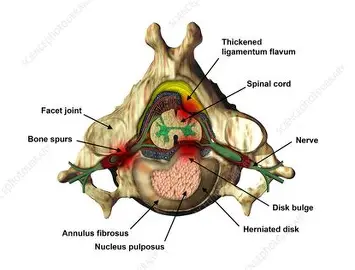
One of the most common questions patients ask is: “Can a pinched nerve heal on its own?”
The short answer is yes—many pinched nerves improve without surgery. However, recovery depends on what is causing the nerve to become compressed and how severe the irritation is.
What Is a Pinched Nerve?
A “pinched nerve” occurs when surrounding tissues—such as muscles, ligaments, discs, or bone—place pressure on a nerve. This compression can lead to symptoms including:
- Pain
- Numbness
- Tingling (“pins and needles”)
- Burning sensations
- Muscle weakness
Pinched nerves can occur in the neck, back, shoulder, wrist, elbow, leg or other areas of the body.
Will It Heal Without Surgery?
Fortunately, many mild cases improve over time with conservative treatment. As inflammation decreases and pressure on the nerve is reduced, symptoms often improve over several days to weeks. More persistent cases may require additional treatment, but surgery is typically reserved for patients with severe or ongoing nerve compression that does not respond to conservative care. Read more about when advanced imaging is needed here:
Conservative Treatment Options
Depending on the cause of your symptoms, treatment may include:
- Relative rest and activity modification
- Ice or heat for temporary symptom relief
- Over-the-counter anti-inflammatory medications when appropriate
- Physical therapy to improve mobility, strength, and reduce stress on the affected nerve
- Chiropractic care, when appropriate, may help address joint mobility restrictions, movement dysfunction, and other musculoskeletal factors that can contribute to nerve irritation. Treatment may include spinal or extremity adjustments, flexion-distraction therapy, traction, nerve mobilization (nerve flossing), soft tissue techniques, and individualized therapeutic exercises. Patient education on posture, ergonomics, and activity modification is also an important part of helping individuals return safely to their normal daily activities.
Every patient is different, so treatment should be based on a thorough history and physical examination rather than symptoms alone.
When Should You See a Healthcare Provider?
While many pinched nerves improve on their own, you should seek medical evaluation if you experience:
- Significant or worsening muscle weakness
- Persistent numbness
- Severe pain that is not improving
- Symptoms lasting more than a week or two despite conservative care
- Loss of bowel or bladder control or numbness in the groin area (seek immediate medical attention)
These symptoms may indicate a more serious condition that requires prompt evaluation. Read more here:
Signs Your Pinched Nerve Is Improving
Recovery often happens gradually. Positive signs include:
- Less pain
- Reduced numbness or tingling
- Improved strength
- Better range of motion
- Fewer activities that trigger symptoms
Even small improvements over time can be a sign that the irritated nerve is healing.
Final Thoughts
Many pinched nerves improve with time and conservative care, but an accurate diagnosis is important. Not every case of numbness or radiating pain is caused by a pinched nerve, and identifying the underlying cause helps guide the most appropriate treatment plan.
If you’re experiencing persistent pain, numbness, tingling, or weakness, a comprehensive evaluation can help determine the cause of your symptoms and whether additional testing or treatment is appropriate.